
Mission
Our mission is to define the mechanisms of immune dysfunction in human critical illness using integrated computational and experimental approaches. By studying biospecimens from ICU patients, we aim to identify biologically meaningful pathways and generate mechanistic insight into immune failure during critical illness.
Vision
Our vision is to improve ICU patient outcomes by building a clearer mechanistic understanding of the immune and metabolic pathways that drive morbidity and mortality in critical illness. Through rigorous human-centered investigation, we aim to support the development of better therapeutic strategies and train physicians and scientists in basic and translational critical care research.
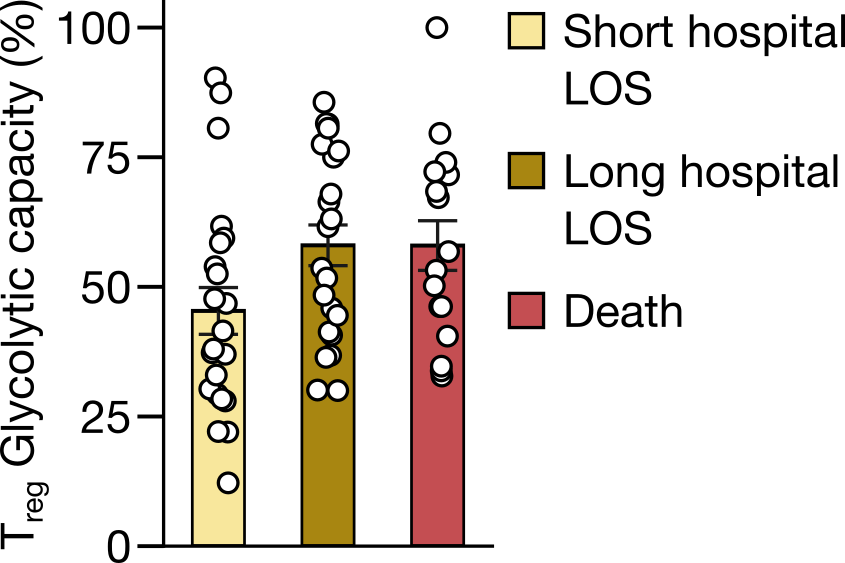
Longitudinal Immune Dynamics in Critical Illness
We study how immune dysfunction emerges, evolves, and resolves across the course of critical illness. Using longitudinal ICU cohorts, single-cell genomics, and high-dimensional immune profiling, we define the cellular states and trajectories associated with organ injury, recovery, and adverse outcomes. Our goal is to understand how changes in the immune response shape distinct patient trajectories over time.
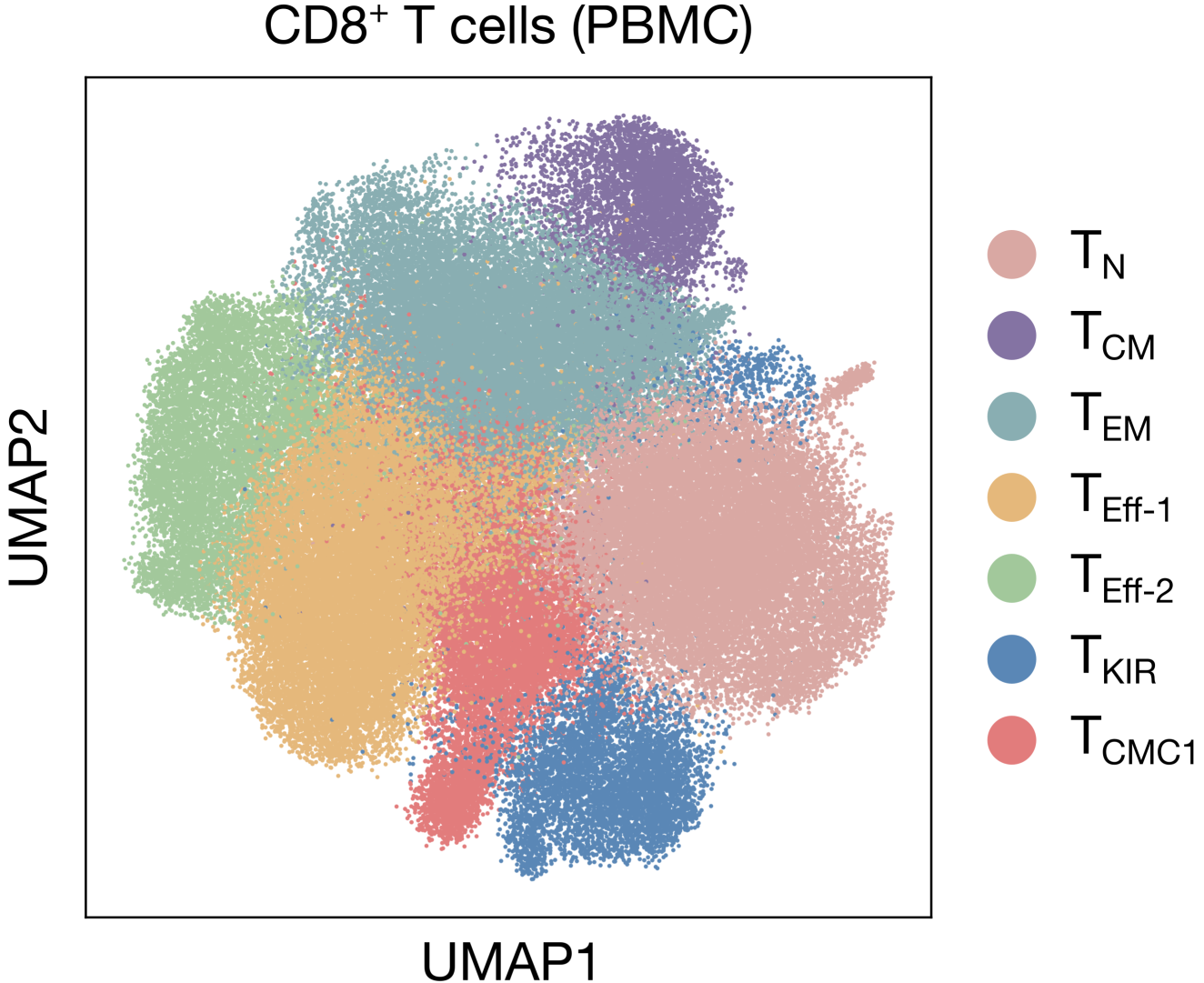
Mechanisms of Immune Dysfunction in Critical Illness
We investigate the cellular and molecular mechanisms that drive immune dysfunction during sepsis and other forms of critical illness. Our work examines how physiologic stressors—including hypoxia, metabolic disruption, and mitochondrial injury—reshape immune-cell survival and function. By integrating observations from ICU patients with mechanistic studies in primary human cells, we identify the pathways and immune-cell states that contribute to persistent dysfunction.
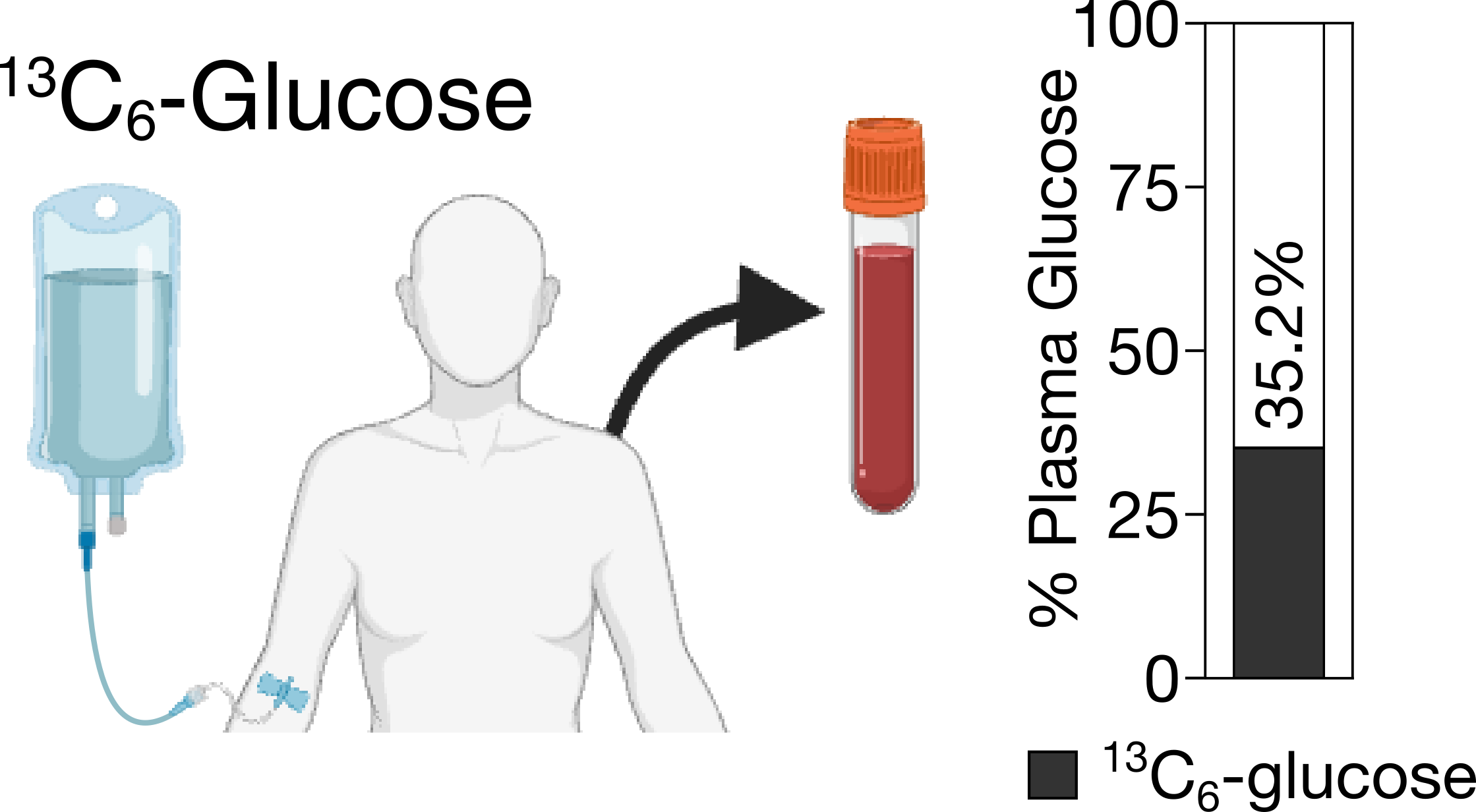
Foundational Human Immunometabolism
We study fundamental immunometabolism directly in humans, guided by biological observations made in critically ill patients. Our work combines metabolic perturbation, stable-isotope tracing, functional assays, and multi-omic profiling to define how physiological context regulates immune-cell metabolism and behavior. We also develop and expand methods that make it possible to measure and test immunometabolic mechanisms directly in people.