Research Program
Our research investigates how the context shapes human immunity, particularly through its effects on cellular metabolism. We study these processes in the setting of critical illness, where rapid changes in oxygen availability, nutrient supply, and inflammatory signaling place extraordinary demands on immune cells. This allows us to explore fundamental questions about human immune regulation while investigating the mechanisms of dysfunction in human disease.
Methods in the Lab:
High-dimensional spectral flow cytometry
Single-cell and bulk RNA sequencing
Metabolic flux analysis (Resipher and Seahorse)
Stable isotope tracing
Metabolomics
CRISPR-based genetic perturbation
Lentiviral transduction of primary human T cells
Primary human immune cell isolation and culture
Longitudinal ICU and healthy donor biobanking
Project Areas
Context-Specific Regulation of Immunity and Metabolism
The mechanisms that immune cells depend on are not necessarily the same in every environment. Pathways that are dispensable under homeostatic conditions may become essential during physiological stress. Understanding these changing requirements is central to our research.
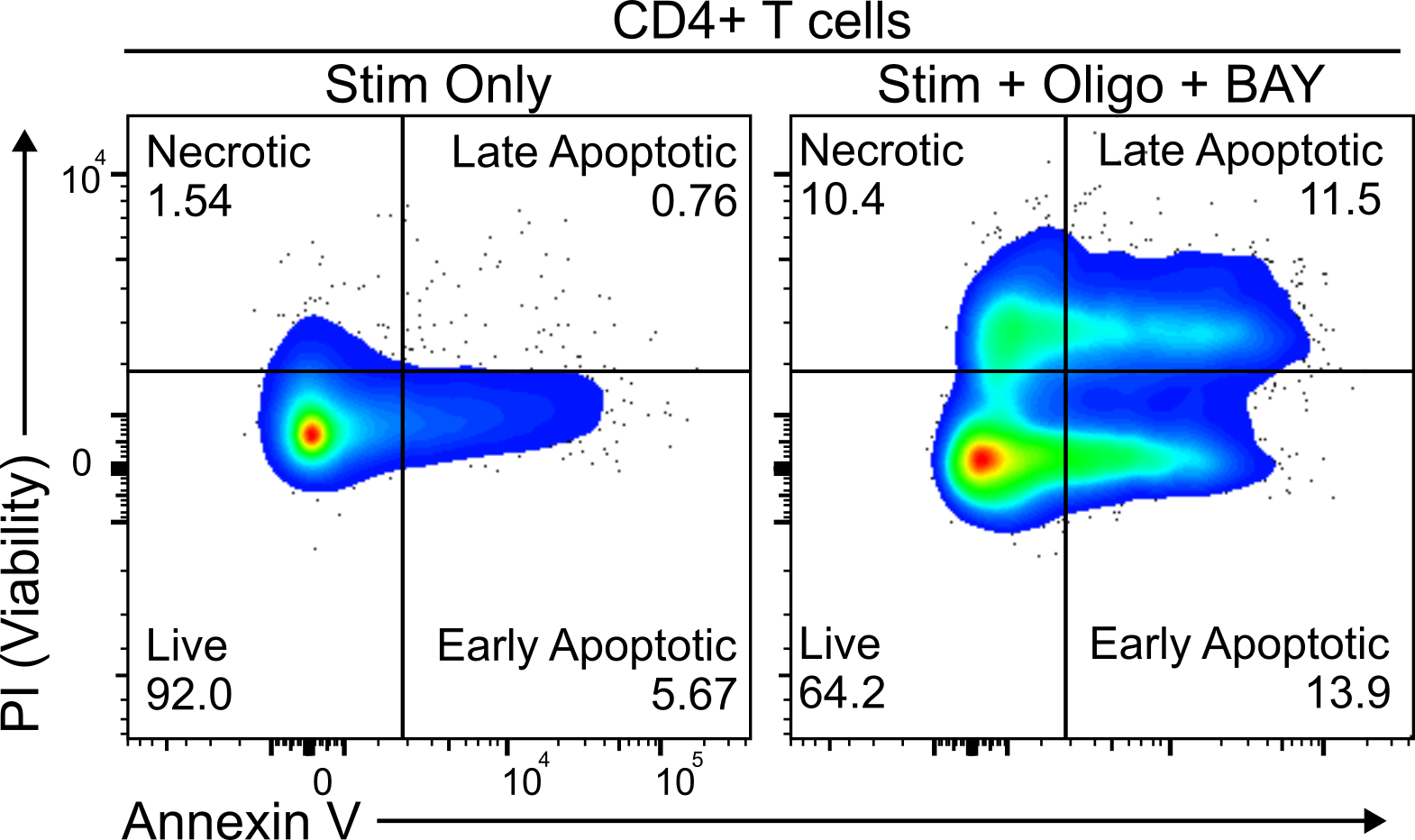
We investigate how metabolic and environmental challenges influence immune cell survival, differentiation, and function. Using primary human immune cells, we examine the consequences of mitochondrial stress, altered nutrient availability, and other conditions relevant to critical illness. Targeted experimental perturbations, metabolic flux measurements, and isotope tracing help us identify the pathways that support cellular adaptation or promote dysfunction.
Immune Cell States and Dynamics in Critical Illness
Critical illness profoundly alters the immune system, but these changes are neither uniform across cell populations nor constant over time. Some responses may help immune cells adapt to stress, while others may contribute to persistent dysfunction. Distinguishing these processes requires understanding the diversity and evolution of immune responses in patients.
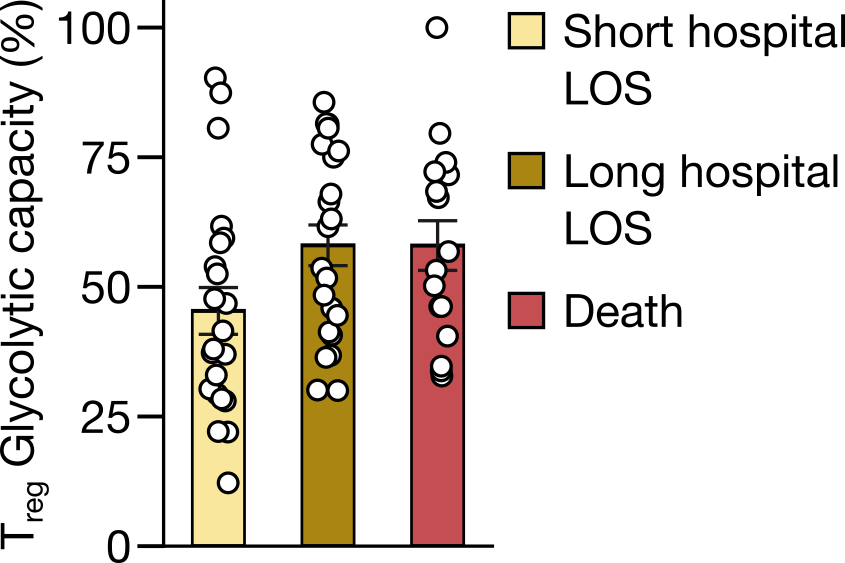
We use longitudinal ICU cohorts, single-cell transcriptomics, and high-dimensional flow cytometry to examine how immune cell populations and functional states change during sepsis and other critical illnesses. By integrating these findings with metabolic measurements and clinical data, we investigate the biological mechanisms underlying immune heterogeneity and their relationships to disease severity and outcomes.
Novel In Vivo Approaches to Understanding Human Immunometabolism
Cellular metabolism is influenced by the physiological environment of the whole organism. Understanding how immune cells use nutrients in living humans therefore presents questions that cannot be fully addressed through ex vivo studies.
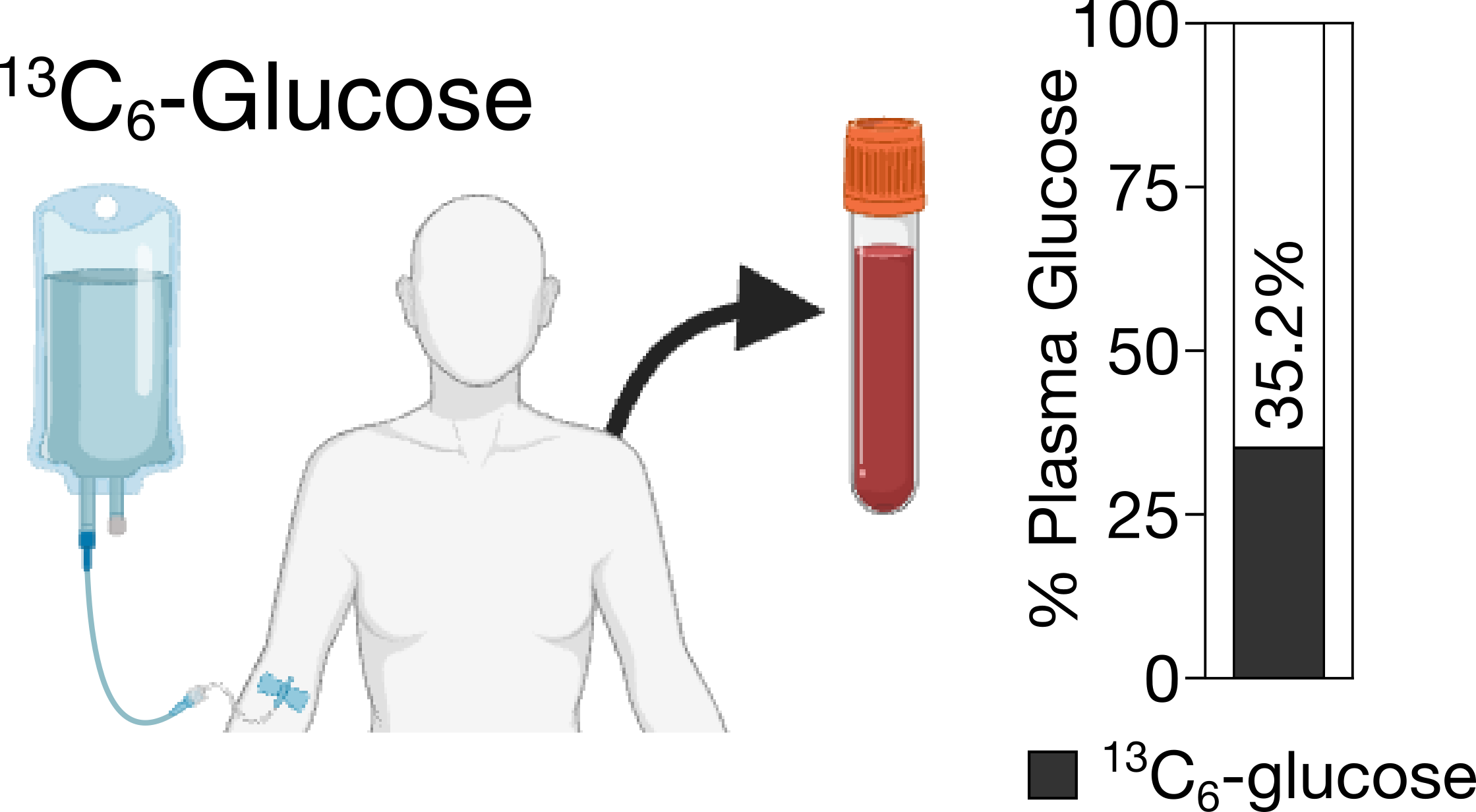
We are developing approaches to measure metabolic activity directly in human immune cells in vivo. For instance, our TORCH platform uses stable isotope-labeled glucose to trace nutrient metabolism directly in circulating human immune cells. Combined with metabolomics and cell-specific analyses, these studies offer opportunities to investigate how immune metabolism varies across physiological conditions and to connect experimental findings with metabolic processes occurring directly in the human body.
Metabolic Resuscitation in Critical Illness
Understanding mechanisms of human immune dysfunction in the ICU creates opportunities to therapeutically preserve or restore immune function during critical illness. We are particularly interested in whether targeting cellular metabolism can improve immune responses and ultimately reduce morbidity and mortality in critically ill patients.
In collaboration with ICU clinical trial investigators at Vanderbilt, we integrate detailed immunological and metabolic analyses into randomized controlled trials of metabolic interventions. Randomization allows us to draw causal inferences about the effects of these interventions on immune function directly in critically ill humans. Complementary experiments in primary human immune cells allow us to dissect the underlying mechanisms, connecting evidence from patients with mechanistic insights to inform strategies for metabolic resuscitation.